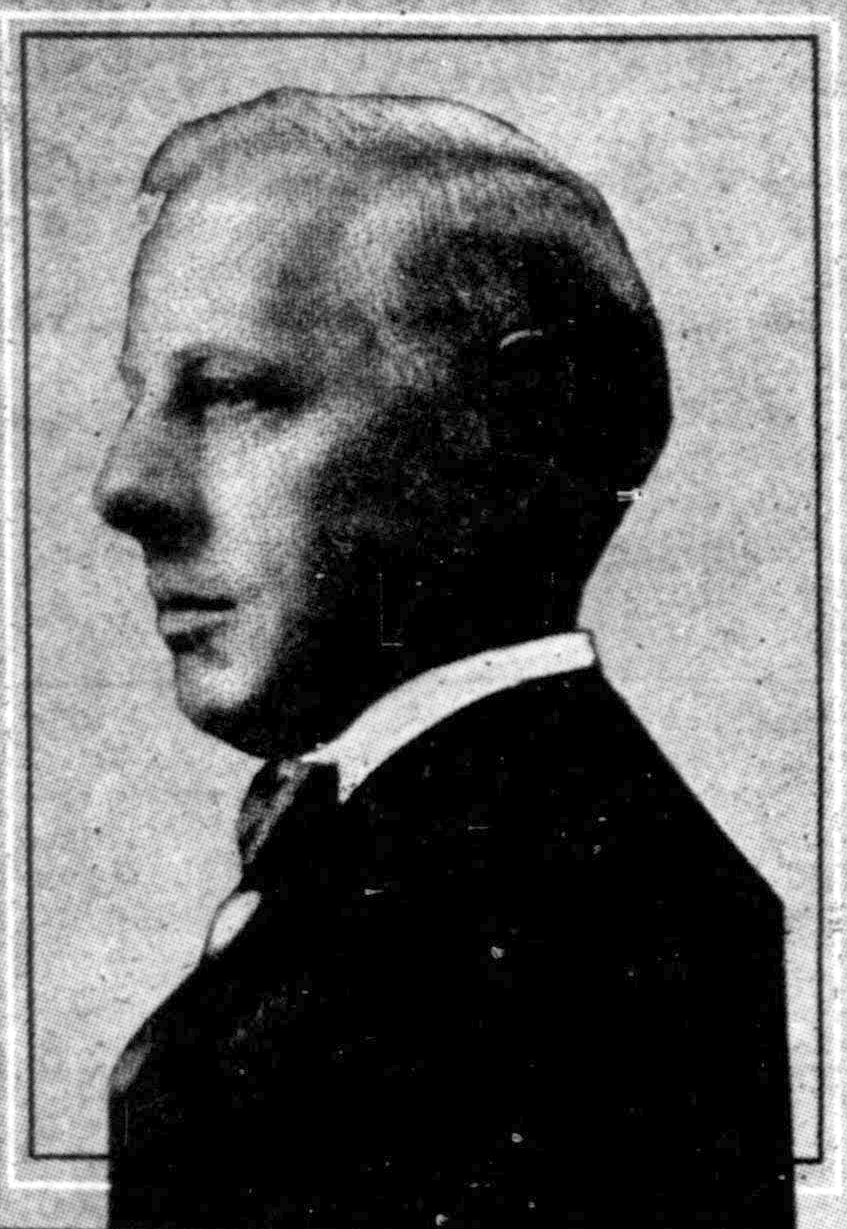
PROFILE
Jesse Livermore
The Boy Plunger
Speculator · 1877 – 1940
The Boy Plunger: Jesse Livermore and What Leverage Does
In October of nineteen seven, with the market coming apart, J.P. Morgan sent word to a thirty-year-old speculator asking him to please stop selling.
Not a regulator. There was no regulator. Morgan himself, the man personally holding the American banking system together that month, sent a message to one trader asking him to ease off, because the selling was making the panic worse.
The trader was Jesse Livermore. He had gone short into the collapse and he was, on paper, making more money that day than he had ever made in his life.
He stopped. Then he covered his shorts and went long, and made money on that too.
Understand what that scene establishes. At thirty years old, with no institution behind him, no capital but his own, and no seat at any table, he was moving the market enough that the most powerful man in American finance had to ask him personally to quit. That is the peak of the story and it happens about a third of the way through his life.
He was born in eighteen seventy-seven on a Massachusetts farm his father intended him to work. He left at fourteen with a few dollars from his mother and took a job in a Boston brokerage chalking quotes on a board. Watching the numbers go up all day, he started noticing that price movements repeated — that they had shapes, and the shapes recurred.
He started betting on them at the bucket shops. A bucket shop was an establishment that took your bet on a stock price without ever executing a trade in the actual market. You were not buying anything. You were wagering against the house on where the ticker would go, on heavy leverage, and the house kept your money when you were wrong, which was nearly always.
He was not nearly always wrong. He was right often enough that the bucket shops of Boston banned him one at a time, and he had to travel to find shops that had not heard of him yet. They called him the Boy Plunger.
Then he took his method to the real market, and the real market taught him the difference. In a bucket shop, the price on the board is the price you get. In the actual market, a large order moves the price against you while you are filling it, and there is a delay between deciding and getting done. His system stopped working. He went broke.
That would happen four times.
He made a fortune in nineteen oh seven. Then he lost it — the accounts of how much and how fast vary, and you should be suspicious of every precise figure attached to this man, because most of them come from him. He went bankrupt. He was staked back into the game by a broker who thought he was worth another try, paid the man back, and rebuilt.
The number everyone knows attaches to nineteen twenty-nine. He judged the market to be topping through the summer, positioned short, and rode the crash. The figure usually reported is one hundred million dollars, and it is worth saying plainly that the figure is uncertain and traces mostly to newspapers and to Livermore himself. Whatever the true number, it was enormous, and it arrived in the exact week that the rest of the country lost everything.
The press worked out who had done it. He received death threats. He hired a bodyguard. There were people who held him personally responsible for the crash, which is not how any of it works, but grief needs a face.
Five years later he was bankrupt again. In nineteen thirty-four he was declared bankrupt for the last time and suspended from the Chicago Board of Trade.
He never came back. He wrote a book about his method — his one durable asset, a set of rules that traders still cite — and the rules did not save him, because he had written them and then not followed them, which he said about himself repeatedly and in print.
On the twenty-eighth of November, nineteen forty, he shot himself in the cloakroom of a Manhattan hotel. He left a note for his wife. It said, among other things, that he was a failure.
Here is the assessment, and it is not the one usually attached to him.
Livermore is normally taught as a cautionary tale about discipline — a brilliant trader who broke his own rules and paid for it. That reading is true and it is too easy, because it implies the fix was available. Try harder. Follow the system. Cut the loss.
The more useful reading is structural. Every one of his fortunes was built with leverage, and leverage is not a tool that scales with skill. It is a mechanism that converts being wrong from a setback into an ending.
An unleveraged investor who is wrong owns something worth less than they paid. Time is still available to them. A leveraged investor who is wrong owes money now, and the position gets closed at the worst possible moment by someone else, regardless of whether the underlying view was correct. Being right eventually is worth nothing if the margin call arrives first.
Livermore was one of the most gifted readers of price action who has ever lived. He was right about nineteen oh seven. He was right about nineteen twenty-nine, spectacularly, when almost nobody was. And he died broke, having gone bankrupt four separate times, because the instrument that let him convert being right into a hundred million dollars was the same instrument that converted being wrong into zero.
He knew this. He wrote it down. He explained it to other people clearly and repeatedly, and then he did it again.
That is what makes him worth the time. The failure was not ignorance. He understood the mechanism perfectly and it took him anyway, four times, and the fourth was the last.